


Digital wallet adoption is supporting global payments while creating new integration challenges for businesses seeking higher conversion rates
More than 50% of global consumers already prefer digital wallets for faster checkout processes. Global mobile-wallet transactions are estimated to reach USD 57.26 billion by 2030, changing how you process payments and serve customers.
Higher conversion rates depend on offering the right wallet options in each market. The following article explores what you need to know: wallet types and how they work, key features that matter for your operations, integration considerations and risk factors. You’ll also discover how unified platforms deliver higher conversions through a single integration.
What Is a Digital Wallet (e-Wallet)? Six Types of Digital Wallets and How They Work
There is a growing mix of wallet models, each built on different rails, risk frameworks and commercial rules. Knowing how they differ helps you pick the right partners, map acceptance roadmaps and avoid costly re-engineering later.
Closed-Loop Wallets
Closed-loop wallets sit inside a single commercial ecosystem. You preload funds, then spend only with the issuing merchant. Walmart Pay, Amazon Pay and the Starbucks app are familiar examples.
Money moves internally, so no external card network fees apply and settlements land on the merchant ledger.
From an operational angle, the wallet holds a stored value ledger, applies its own KYC rules and often links to loyalty points. That combination lets you run targeted promotions, drive repeat purchases and access SKU-level data that many acquirers don’t share.
Chargeback exposure is lower and reconciliation is straightforward. However, the trade-off is reach: customers cannot use the balance elsewhere, so adoption hinges on brand affinity.
Because funds are pre-loaded, merchants have the ability to deploy unused funds sitting idle in accounts to earn interest. When stablecoins are used to store value, even more options become available to earn income on idle funds parked in wallets.
Open-Loop Wallets
Open-loop wallets connect to global card or bank networks, so shoppers can pay almost anywhere that meets scheme requirements. For example, Apple Pay, Samsung Pay and Google Pay tokenise a user’s card, replace the PAN with dynamic cryptograms and route transactions through standard acquirer rails.
That design balances wide acceptance with strong device-level security.
For payment operations, the upside is that you gain a single wallet that works across in-store NFC, in-app and browser checkout flows. Contactless limits, scheme mandates and issuer provisioning still apply.
Open wallets can also support transit cards and boarding passes, giving you additional engagement opportunities. Because issuer approval logic stays unchanged, authorisation rates generally mirror the underlying card portfolio, but tokenisation reduces fraud risk and can reduce false declines.
QR and Barcode Wallets
QR wallets allow merchants to display a dynamic or static QR, the user scans and the wallet creates a payment request routed through a bank, card or proprietary rail.
Alipay and WeChat Pay popularised this approach but countless regional wallets now follow the template. For small merchants, the cost advantage is compelling: no card reader, minimal onboarding and offline acceptance when network coverage drops.
Dynamic codes add built-in amount control and reduce man-in-the-middle risk while static codes are cheaper but rely on manual amount entry. You must still map settlement timing, refund flows and chargeback rules which vary widely between providers.
When you target cross-border shoppers from APAC, adding QR acceptance often lifts conversion without touching your core acquirer setup.
Peer-to-Peer and Social Wallets
Peer-to-peer wallets let users send funds directly to friends, freelancers or marketplace sellers, often inside a chat or social feed. Cash App and WeChat Pay combine messaging and transaction notes to create a lightweight social ledger.
The network effect is powerful: once a few friends adopt, others follow to split bills or settle micro-payments. When you integrate, watch the funding sources. Some wallets draw from linked cards, others from stored value, each carrying different fee and chargeback rules.
What to Look For in a Digital Wallet Integration Provider
Choosing a wallet integration partner shapes revenue, customer satisfaction and how quickly you can move into new markets. Think of it as a buyer’s checklist: weigh technical depth, regulatory fit and user expectations.
Rapyd supports hundreds of payment methods, including Google Pay, Apple Pay and popular digital wallets in APAC and LATAM.
Global Acceptance & Coverage
Wallet popularity shifts by region, so broad coverage protects growth plans. In APAC, QR-based wallets dominate; in parts of Europe, contactless phone wallets have overtaken cards. Support for local favourites keeps checkout abandonment down because customers pay with what they already trust.
Map your top markets against the PSP’s payment method list. You also want clarity on currency support and settlement rules—missing either can trap funds or inflate FX costs.
Integration & Scalability
Your developers need one reliable way to connect today and headroom for tomorrow. Review the API depth: does it cover pay-ins, payouts, reconciliation and webhooks for real-time status? Sandbox access should mirror production so you can replicate edge cases before launch.
Ask how quickly new wallet types or regional payment rails slot into the same integration. Growth also demands compatibility with existing POS, ERP and risk systems. A modular architecture spares you from rewriting code each time you enter a new market or add a payout flow.
How Rapyd Powers Winning Digital-Wallet Integration
One API, Hundreds of Payment Methods
Adding a new wallet or bank transfer option is rarely an easy task unless you already have Rapyd’s single API in place. That connection unlocks hundreds of payment methods across 190+ countries.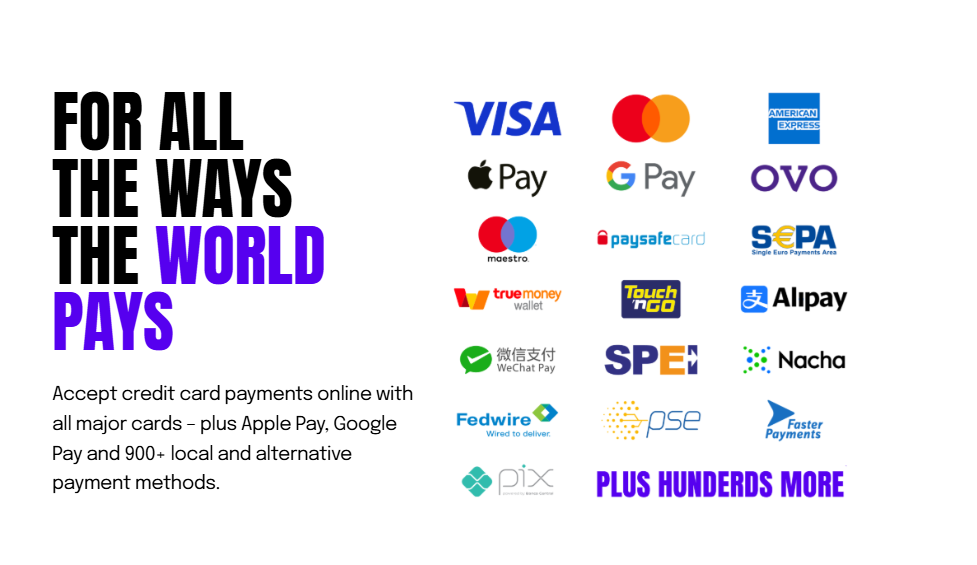
Instead of managing separate integrations, version control and certification cycles for each wallet, you maintain one codebase and configure additional methods from your Client Portal.
The result is faster launches in new markets, fewer engineering cycles and the ability to offer every shopper a familiar way to pay, which translates into higher conversion rates at checkout.


Subscribe Via Email
Thank You!
You’ve Been Subscribed.